
At Blackgold, EPR and compliance are viewed as enabling systems within the broader evolution of circular industry. As material ecosystems become more regulated, traceable, and recovery-oriented, the ability to support accountable
downstream movement will become increasingly central to how circular economies operate at scale.
“Compliance is not positioned as obligation — it is part of the institutional framework through which circular systems establish legitimacy, continuity, and operational trust.”
Blackgold supports enterprises from emerging businesses to globally recognized organizations operating across complex supply chains and accountability frameworks.

In increasingly accountability-driven markets, these gaps do not remain invisible for long. As circular regulations mature, expectations are shifting rapidly across enterprises, regulators, global supply chains, and institutional stakeholders.
Non-compliant recovery pathways create bottlenecks in material and product flow across the operational chain.
Procurement and supply chain governance increasingly screens for EPR accountability, creating disqualification risk.
Fragmented compliance creates material gaps in ESG reporting, undermining sustainability credibility with institutional stakeholders.
Without verifiable downstream visibility, audit and regulatory review becomes an operational vulnerability.
Environmental Compensation (EC) levies for non-compliance and target shortfalls create direct financial exposure as circular regulations mature.
Extended Producer Responsibility fundamentally changes the architecture of material ownership — introducing the principle that products entering the market must also exist within a recoverable and accountable downstream system. Its significance is therefore larger than compliance alone.
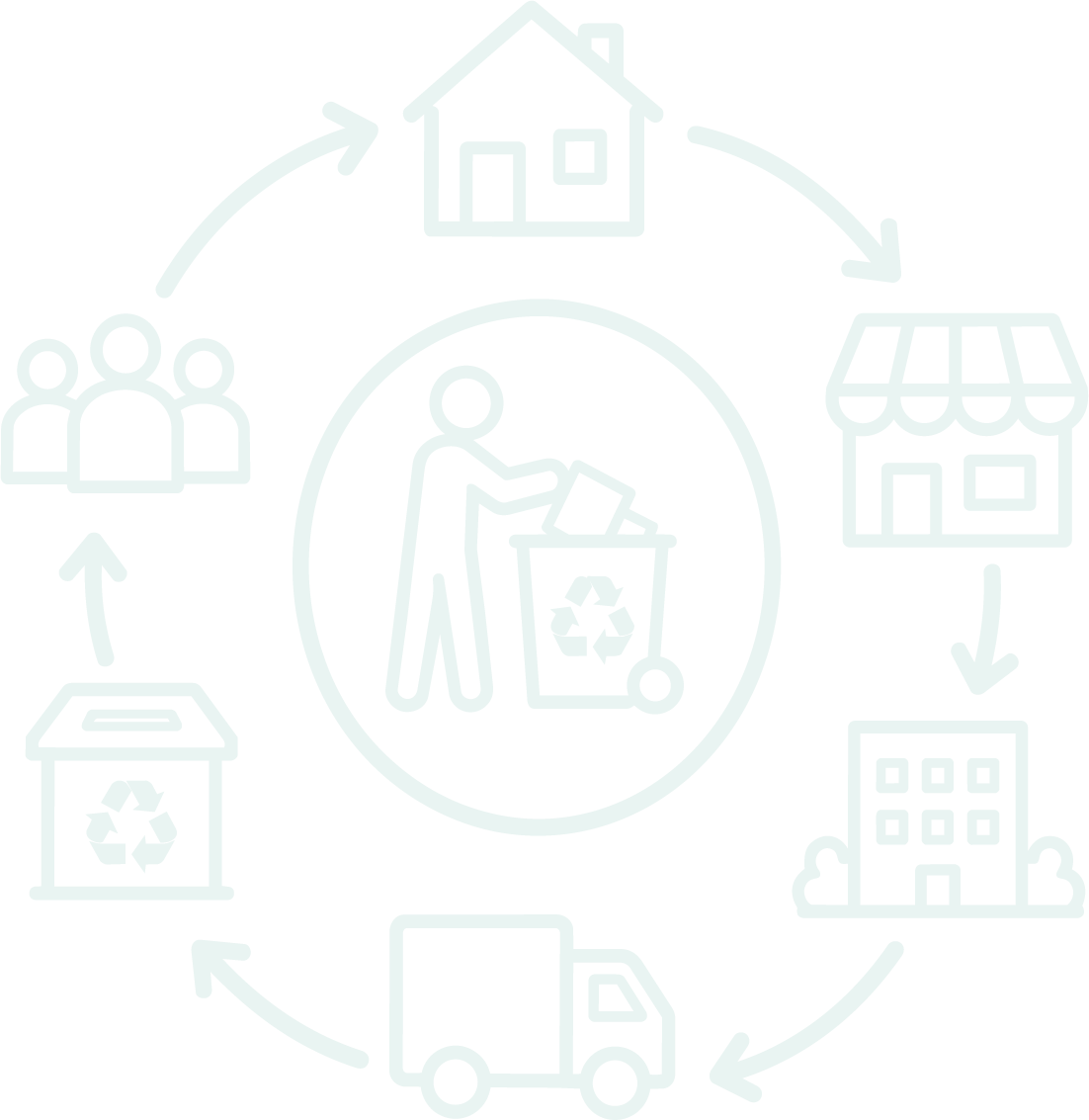
Structured pathways through which end-of-life products are channelled into authorised recovery systems with documented accountability.
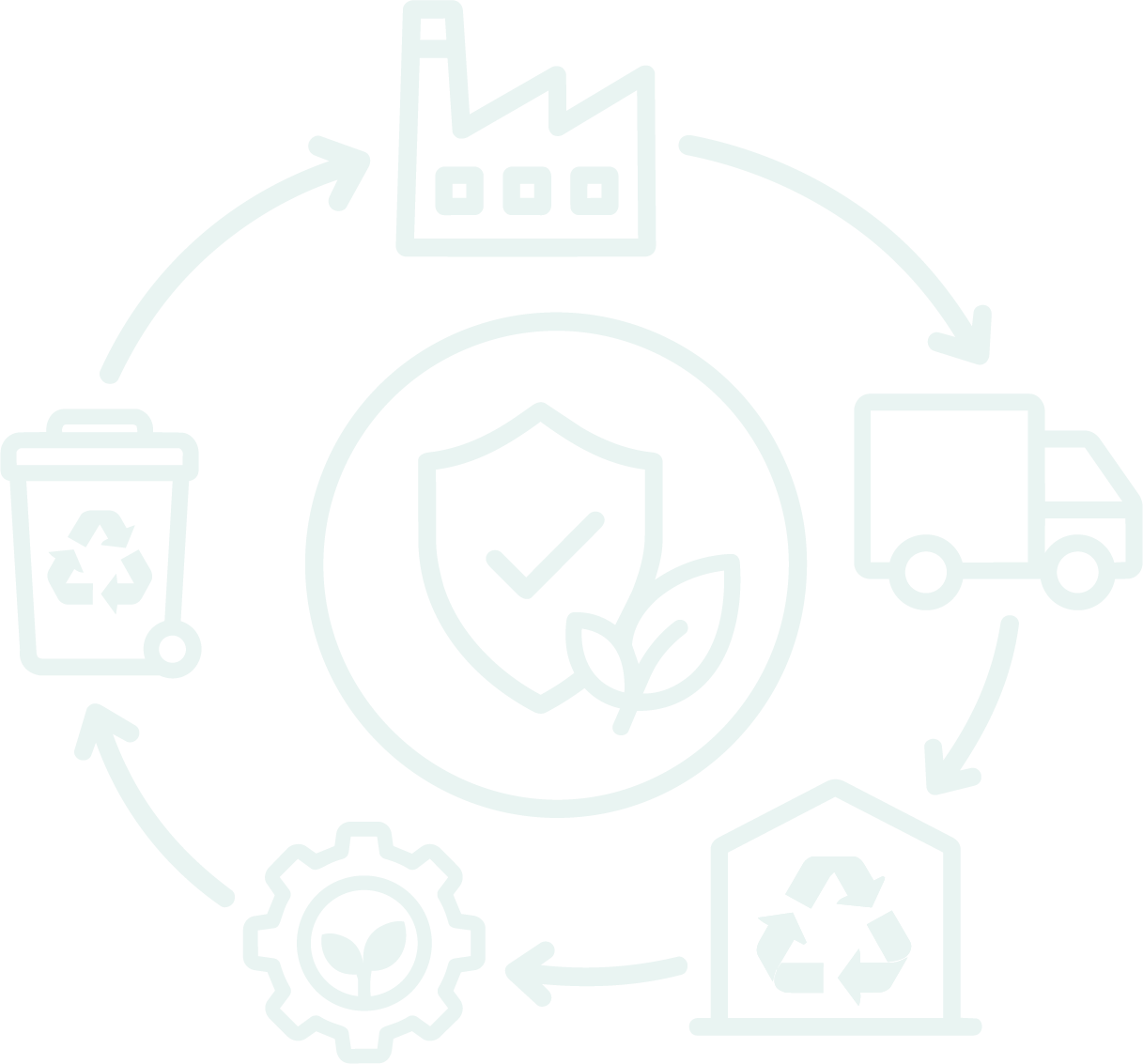
Verified processing routes that align with regulatory requirements and provide audit- ready downstream accountability.
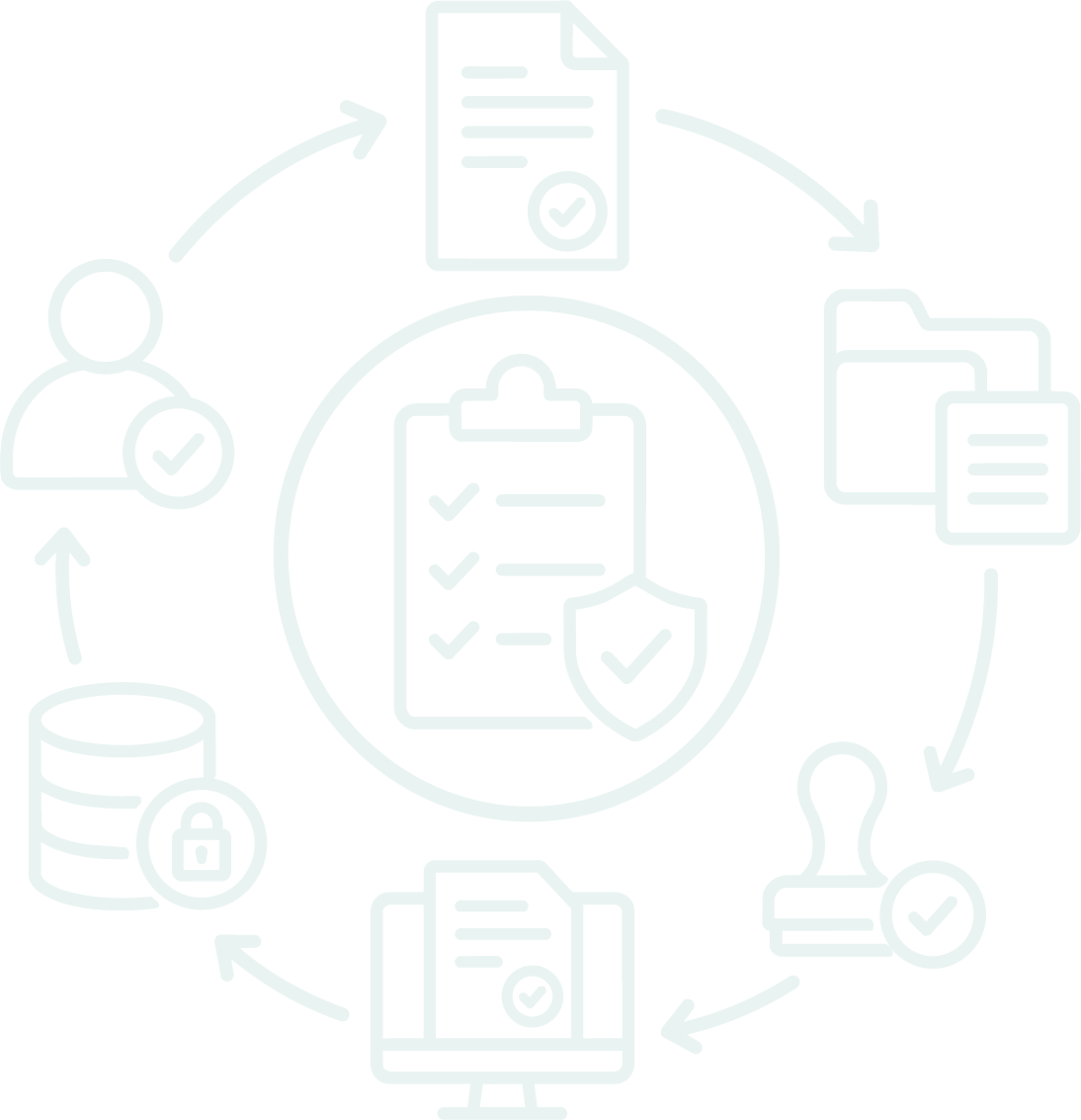
End-to-end reporting infrastructure that satisfies regulatory scrutiny and enterprise- level compliance governance requirements.
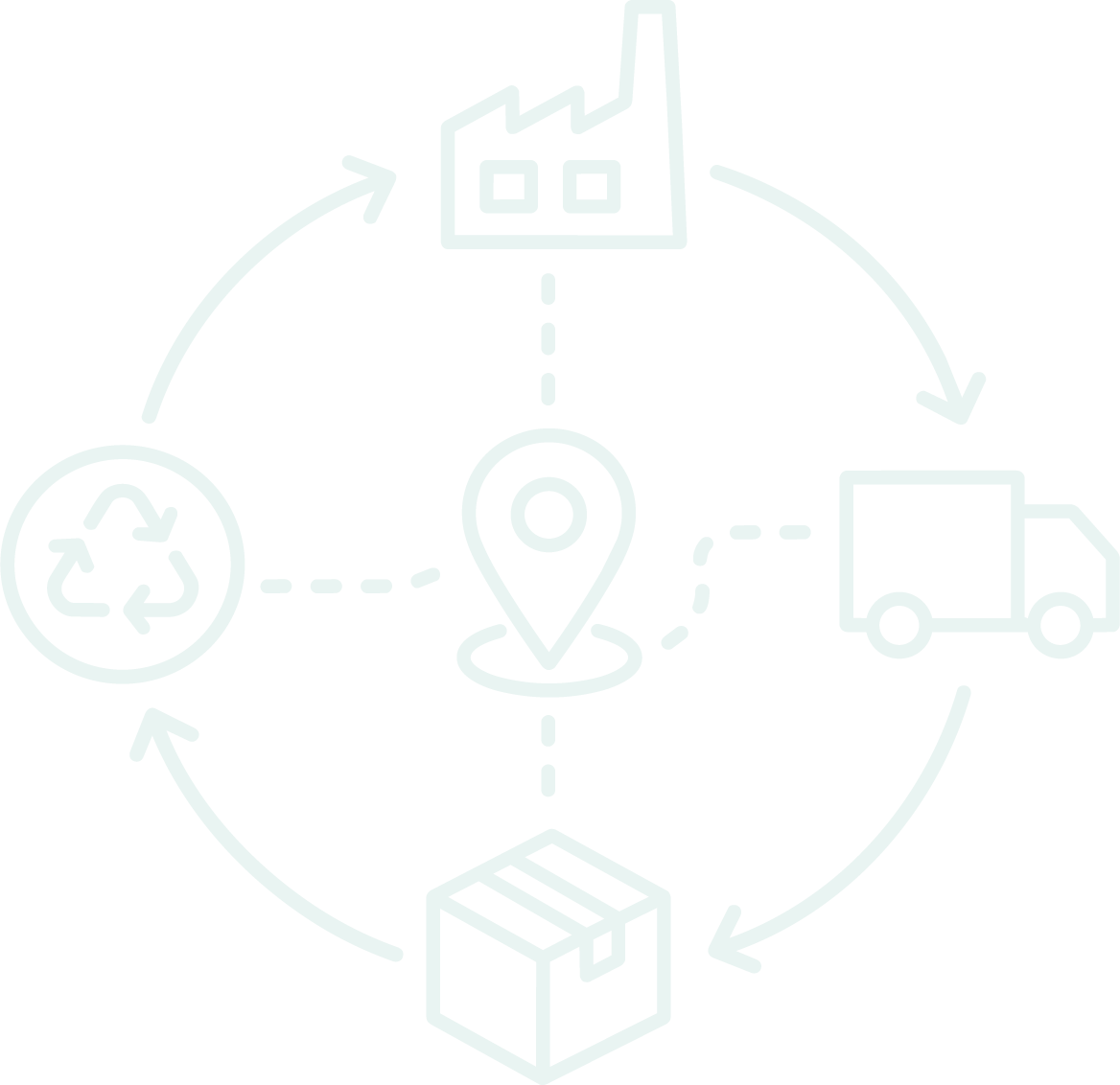
Digitally verifiable visibility across material pathways enabling measurable accountability at each transition point.
Verifiable integration of recovered materials back into future production cycles, closing the circular loop with measurable outputs.
The physical and operational systems through which recovery commitments are executed, verified, and credited within EPR frameworks.
As circular frameworks evolve, visibility across material movement becomes increasingly important. Manual declarations and disconnected reporting systems are rapidly being replaced by digitally traceable recovery ecosystems capable of withstanding regulatory scrutiny and enterprise-level governance requirements.

Material pathways tracked through QR-linked registry ecosystems with real-time visibility.

Downstream processing routes
auditable at each stage with
certified documentation.

Environmental accountability that is measurable, documentable, and defensible under regulatory review.

Traceability that evolves from a
reporting mechanism into infrastructure for enterprises and supply chains.

Over time, traceability stops being a reporting mechanism. It becomes infrastructure for enterprises, global supply chains,
procurement ecosystems, and institutional stakeholders operating within increasingly accountability-driven environments.
Recovery alone is no longer sufficient. Regulatory ecosystems are increasingly evolving toward structured frameworks that require verifiable downstream execution and operational compliance at scale.
This transition is reshaping how enterprises engage with material governance across electronics, plastics, batteries, and emerging regulated material categories.
For multinational organisations and Fortune 500 companies operating within highly scrutinised supply ecosystems, circular compliance is becoming less about minimum alignment — and more about operational sophistication.

Effective EPR systems require more than registration support. Blackgold supports organisations through integrated capabilities spanning the complete circular compliance lifecycle.

Institutional advisory on compliance structuring, regulatory alignment, and circular strategy integration.

Verified downstream processing
through authorised recovery
ecosystems with traceable
material outputs.

Structured workflows for
compliance documentation,
regulatory filing, and audit-ready reporting infrastructure.

Digitally traceable recovery
ecosystems with verified
downstream visibility and
accountability frameworks.

Coordinated integration across
collection, processing, and
reintegration pathways within the circular loop.

End-to-end compliance architecture that moves organisations beyond fragmented management toward scalable circular systems.

Operational execution support for recovery target achievement, certificate reconciliation, and
regulatory submissions.

Connecting EPR compliance with ESG commitments, procurement standards, and public sustainability reporting.

Electronic & digital recovery

Li-ion & energy storage systems
Polymer & packaging materials

Aluminium, copper & strategic metals
Blackgold partners with enterprises to build circular systems supporting everything from recovery operations to evolving EPR requirements — across complex supply chains and accountability frameworks.
Core questions about Extended Producer Responsibility, circular compliance frameworks, and how Blackgold approaches structured accountability systems for enterprises and supply chains.
Any manufacturer, producer, importer, or brand owner placing electronics, batteries, plastics, or other regulated materials into the Indian market falls under EPR obligations. This includes OEMs, bulk consumers, and businesses managing large-scale packaging or product waste. If your operations touch regulated material categories, EPR compliance applies to you.
A strong program moves through registration, target setting, building collection and reverse logistics channels, and routing materials to authorised recyclers, with reporting woven through every stage. Getting each step right early makes the difference between a compliance program that scales and one that constantly plays catch-up.
Staying audit-ready means keeping product declarations, recovery records, and recycler certificates organised and up to date, not scrambled together when a review is announced. Clear, accurate records make audits easier, reduce compliance risk, and help businesses respond confidently to regulatory scrutiny.
A verifiable partner backs its recovery claims with authorised processing routes, certificate-based reconciliation, and material traceability that can withstand regulatory review, not just a stated commitment. BlackGold, for example, ties EPR execution to CPCB registration and target planning, authorised recycling partnerships, and digitally traceable recovery, so recovery data becomes evidence rather than assertion.
Recovery certificates and target fulfilment reports serve two important purposes: they satisfy regulatory filings while also feeding directly into ESG disclosures and procurement audits. Businesses that treat these records as connected, rather than separate paperwork exercises, get more value out of the same compliance effort.
Investors, regulators, and supply chain partners are increasingly relying on verifiable recovery data as part of ESG evaluation. Strong EPR performance gives businesses concrete proof to back up sustainability claims, turning compliance from a regulatory checkbox into a measurable business outcome.
EPR involves shifting rules, multiple stakeholders, and detailed downstream verification that’s hard to build from scratch internally. A specialist partner brings established recycling networks and hands-on regulatory experience, so businesses can focus their internal teams on what they do best.