
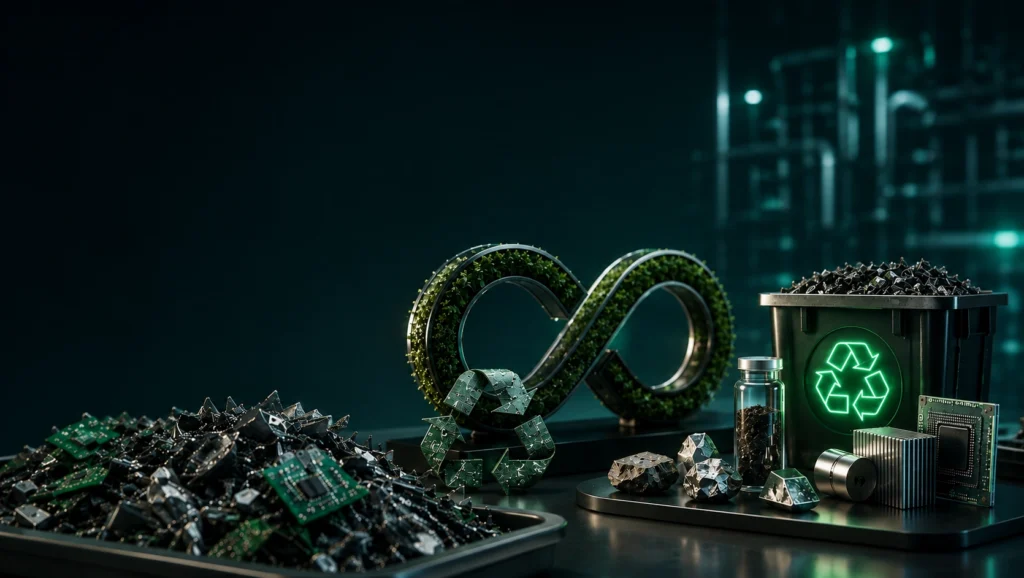






The term “waste” increasingly fails to describe what modern
recovery systems process. The challenge is not the absence of
value — it is the absence of systems capable of retaining it.
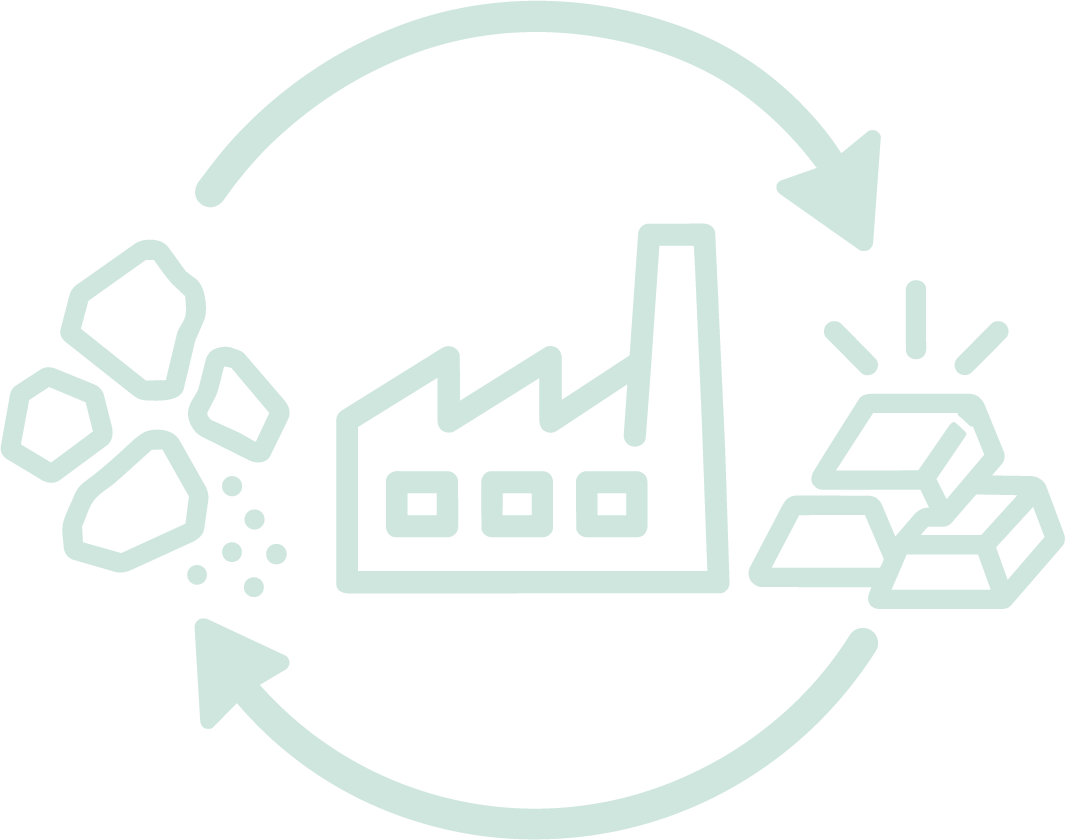
“Materials move through industrial systems in cycles — not endpoints.”
Conventional recycling models were designed around disposal efficiency. The next generation of circular systems is centered around material continuity — how materials remain economically viable across multiple lifecycles.
Recovering value from increasingly complex products through precision segregation and advanced extraction.
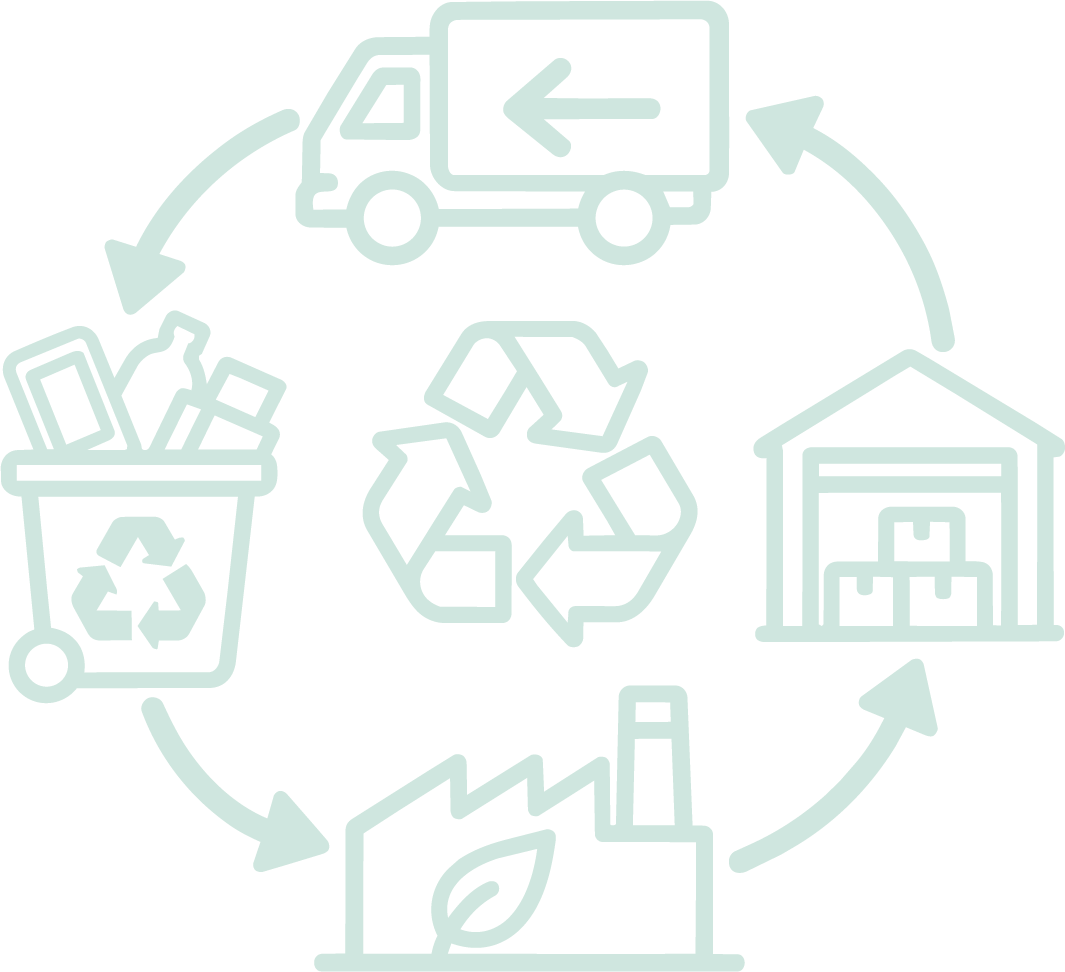
Managing reverse material flows
at scale across distributed
industrial networks.
Separating and refining material
streams to industrial-grade
purity standards.
Supporting reintegration of
recovered materials directly into
manufacturing systems.
A structural view of recycling as long-
duration material continuity.
At Blackgold, recycling is viewed through the lens of long-duration material continuity. Materials move through industrial systems in cycles.
As products become more technologically complex and resource-intensive, the ability to recover, refine, and recirculate materials will increasingly shape the future efficiency of industrial
economies.
Five capability streams aligned with the long – term evolution of industrial material recovery.
Modern electronics are dense material systems. As digital infrastructure expands globally, electronic equipment is becoming one of the largest future reservoirs of recoverable industrial inputs. Electronics are no longer short-cycle products — they are material ecosystems.
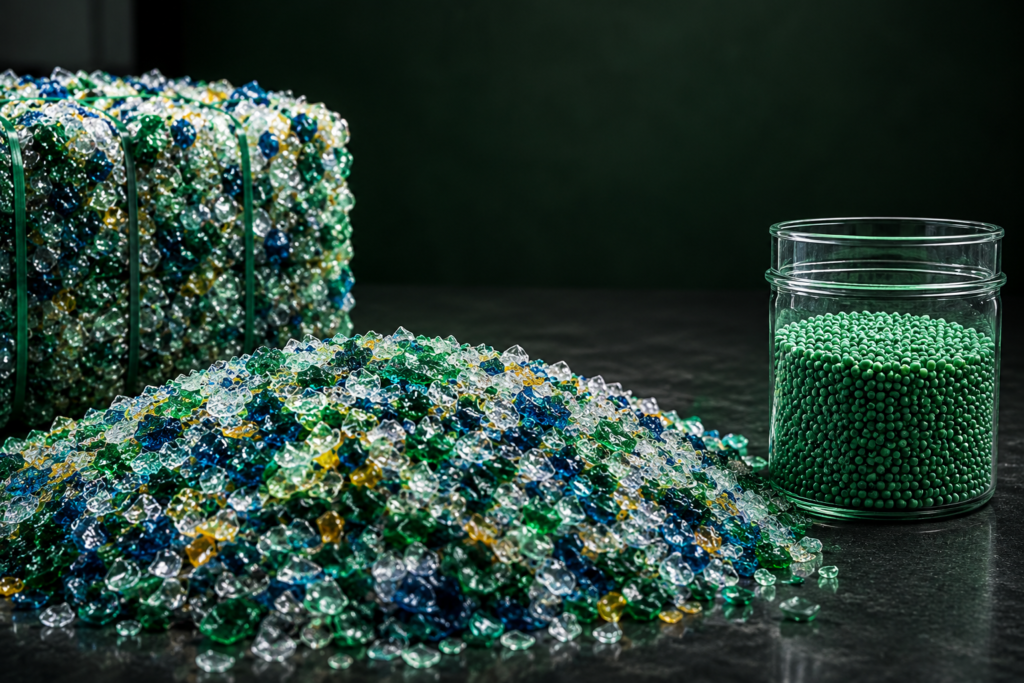
Plastics remain one of the most efficient material innovations in industrial manufacturing. Advanced recovery systems increasingly enable plastics to transition from linear consumption models toward continuous material circulation through polymer separation, purification, and multi-stream processing.
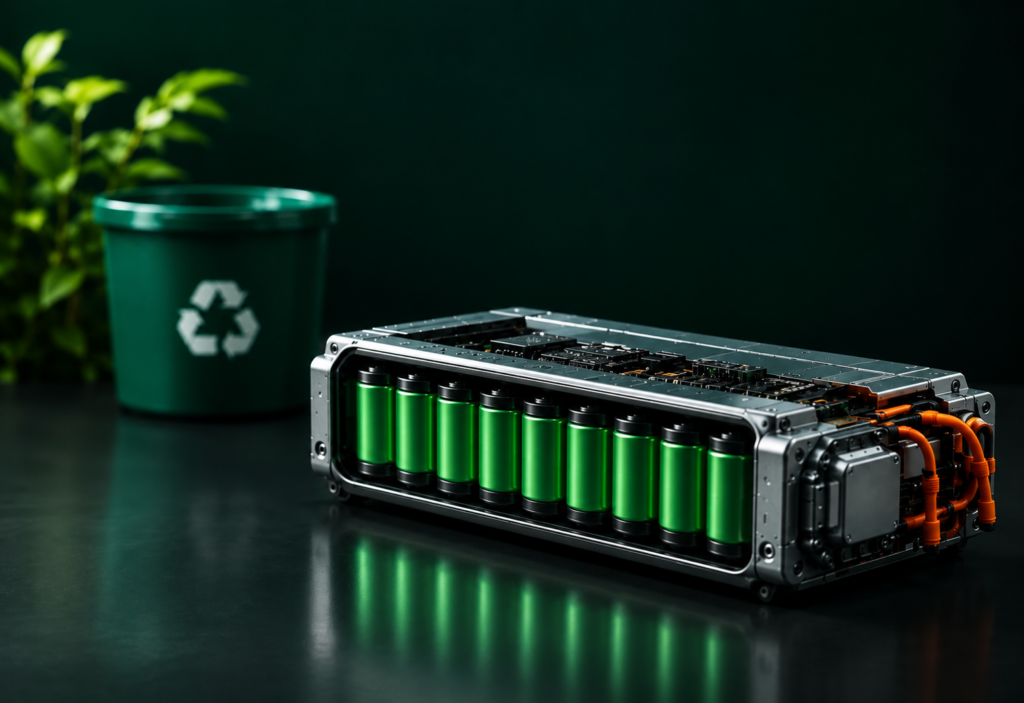
Electrification is rapidly increasing global dependence on lithium- ion systems. As electrification scales, recovery systems become part of the energy infrastructure layer itself. Battery recovery influences material security, supply chain resilience, and future manufacturing continuity.
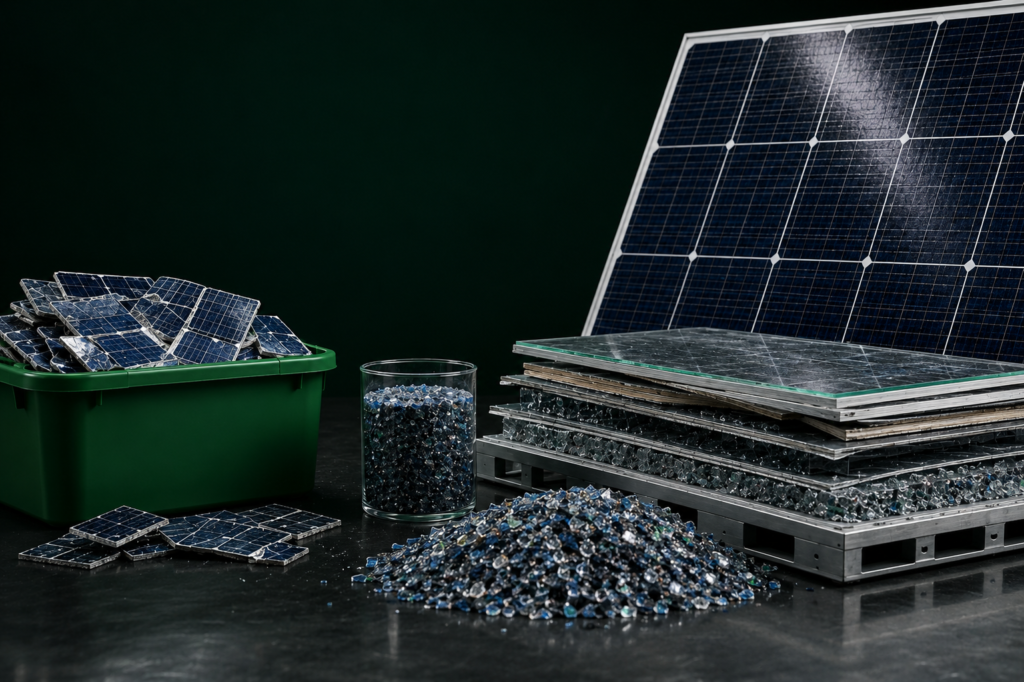
Solar deployment is accelerating across utility, industrial, and distributed energy systems. The long-term efficiency of renewable energy systems will increasingly depend not only on generation capacity — but on how effectively materials remain in circulation once operational life concludes. From energy deployment to lifecycle stewardship.
Critical minerals are becoming foundational to industrial competitiveness. A parallel supply layer is now emerging through recovery from batteries, electronic systems, and industrial material streams. Critical minerals increasingly exist not only underground — but throughout the economy, embedded within deployed infrastructure.
Modern electronics are dense material systems. As digital infrastructure expands globally, electronic equipment is becoming one of the largest future reservoirs of recoverable industrial inputs. Electronics are no longer short-cycle products — they are material ecosystems.
Plastics remain one of the most efficient material innovations in industrial manufacturing. Advanced recovery systems increasingly enable plastics to transition from linear consumption models toward continuous material circulation through polymer separation, purification, and multi-stream processing.
Electrification is rapidly increasing global dependence on lithium- ion systems. As electrification scales, recovery systems become part of the energy infrastructure layer itself. Battery recovery influences material security, supply chain resilience, and future manufacturing continuity.
Solar deployment is accelerating across utility, industrial, and distributed energy systems. The long-term efficiency of renewable energy systems will increasingly depend not only on generation capacity — but on how effectively materials remain in circulation once operational life concludes. From energy deployment to lifecycle stewardship.
Critical minerals are becoming foundational to industrial competitiveness. A parallel supply layer is now emerging through recovery from batteries, electronic systems, and industrial material streams. Critical minerals increasingly exist not only underground — but throughout the economy, embedded within deployed infrastructure.
The future of recycling will not be defined by volume alone. It will be defined by purity of recovery, material intelligence, system integration, reintegration efficiency, and lifecycle visibility. In this model, recycling becomes part of the industrial system itself.
Material Lifecycles Through Circular Reintegration

High-purity material streams that retain economic and industrial value across transitions.

Understanding the composition, grade, and destination of every recovered material stream.

Recovery systems embedded within broader industrial and manufacturing networks.

Minimizing friction between recovered materials and their re-entry into productive use.

End-to-end traceability of materials from collection through reintegration.
Core questions about industrial recycling, material recovery, and Blackgold’s approach to circular economy operations.
BlackGold operates across five integrated capability streams e-waste, plastics, lithium-ion battery, critical mineral, and precious/non-ferrous metals recovery each built around the same four-stage architecture: Recovery (segregated collection at source), Reuse (evaluating remaining functional life before breakdown), Recycle (processing to industrial-grade specification), and Reintegration (returning material into manufacturing supply chains).
Authorized recyclers follow verified processing standards and provide documented proof of how materials are handled, which informal channels simply can’t offer. For businesses accountable to regulators, customers, and supply chain partners, that documented traceability reduces risk and builds long-term trust where an informal channel offers no such protection.
BlackGold’s integrated recycling ecosystem runs a combined annual processing capacity of 75,000+ metric tons across 5 operational facilities, supporting enterprise-scale material inflow across e-waste, plastics, batteries, and metals rather than fragmented, single-stream operations.
Materials move through documented pathways from collection points to processing facilities to final reintegration with each stage recorded and verifiable. This level of visibility gives businesses confidence that materials have been managed responsibly and in line with environmental and regulatory expectations.
Verified recovery data provides measurable evidence to support sustainability commitments and strengthen ESG reporting. As investors and procurement teams look for this kind of proof, recycling performance becomes part of how a company demonstrates real ESG progress.
Every tonne of metal, polymer, or mineral recovered and reintegrated is one less tonne that needs to be mined or manufactured from scratch. This helps businesses strengthen supply chain resilience while reducing dependence on virgin raw materials.
A circular economy depends on materials staying in use rather than ending up in landfills, and recycling is the mechanism that makes that possible at scale. For enterprises, treating end-of-life products as a resource stream supports resource efficiency, reduces waste, and creates long-term environmental and business value.