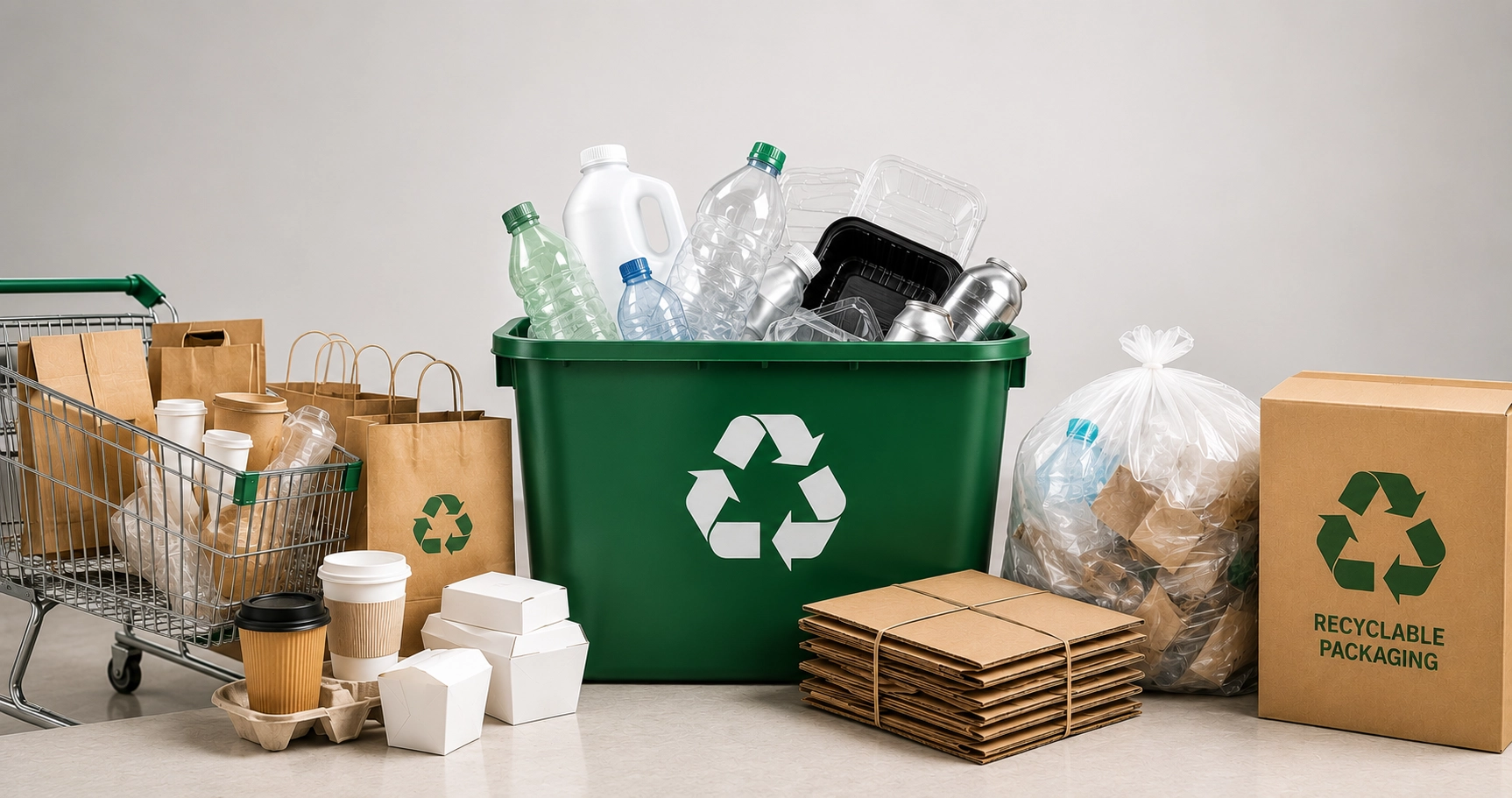
In a resource-constrained world, the question is no longer about plastic usage — it is about what happens after use.
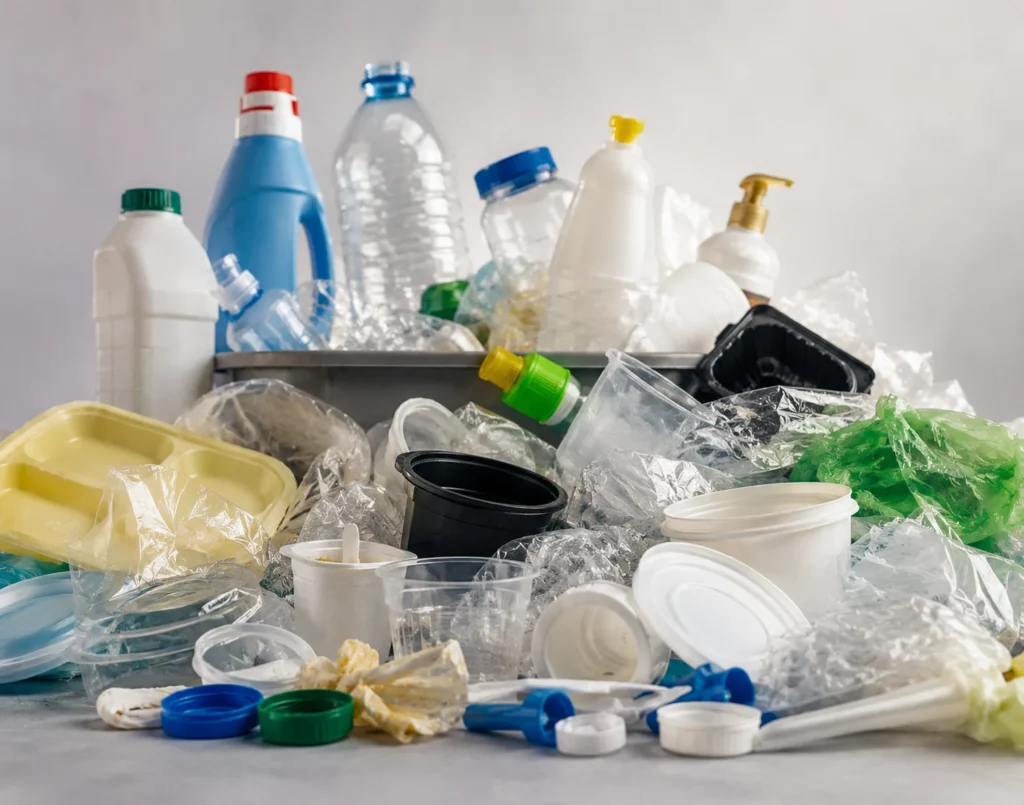
Plastics have become one of the most widely used material classes in modern industry. Their durability, flexibility, and cost efficiency make them indispensable across sectors.
As global consumption scales, the central challenge has shifted — from how we use plastics, to how we recover, process, and reintegrate them into the economy.
Synthetic polymers engineered for specific performance characteristics —
strength, flexibility, resistance to degradation — are central to modern supply
chains.
Packaging
Consumer goods and retail packaging
Automotive
Mobility and structural components
Electronics
Electrical and digital applicationsConstruction
Infrastructure and built environment
Unlike organic materials, most plastics do not biodegrade efficiently — leading to long-term accumulation and systemic environmental risk.
Recovery rates vs total plastic produced globally
Contamination from lack of segregation at source
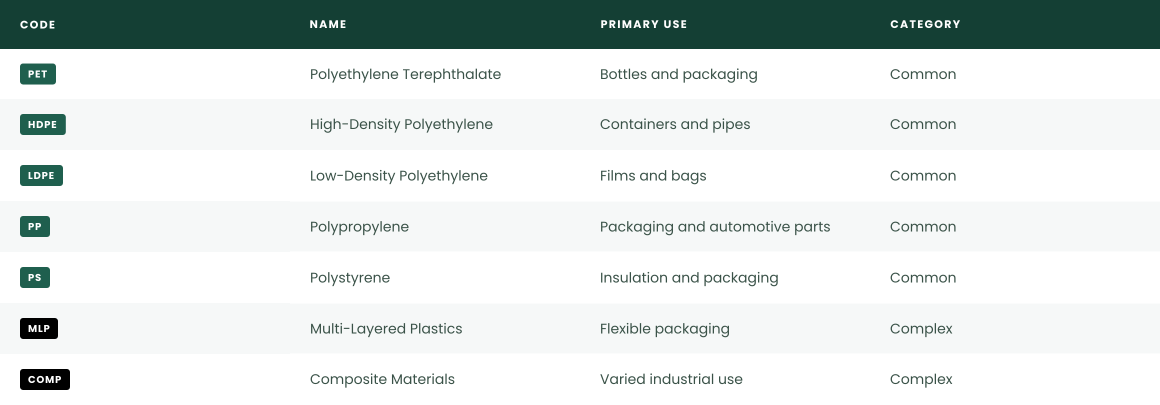
Major polymer types each requiring different recycling processes
Marine ecosystems affected by
environmental leakage
Plastic recycling is complicated by the diversity of polymer types. Each requires
different processes, making standardization inherently difficult.
Plastic waste is generated across multiple stages of the economy. Distributed generation makes efficient recovery dependent on system-level coordination.
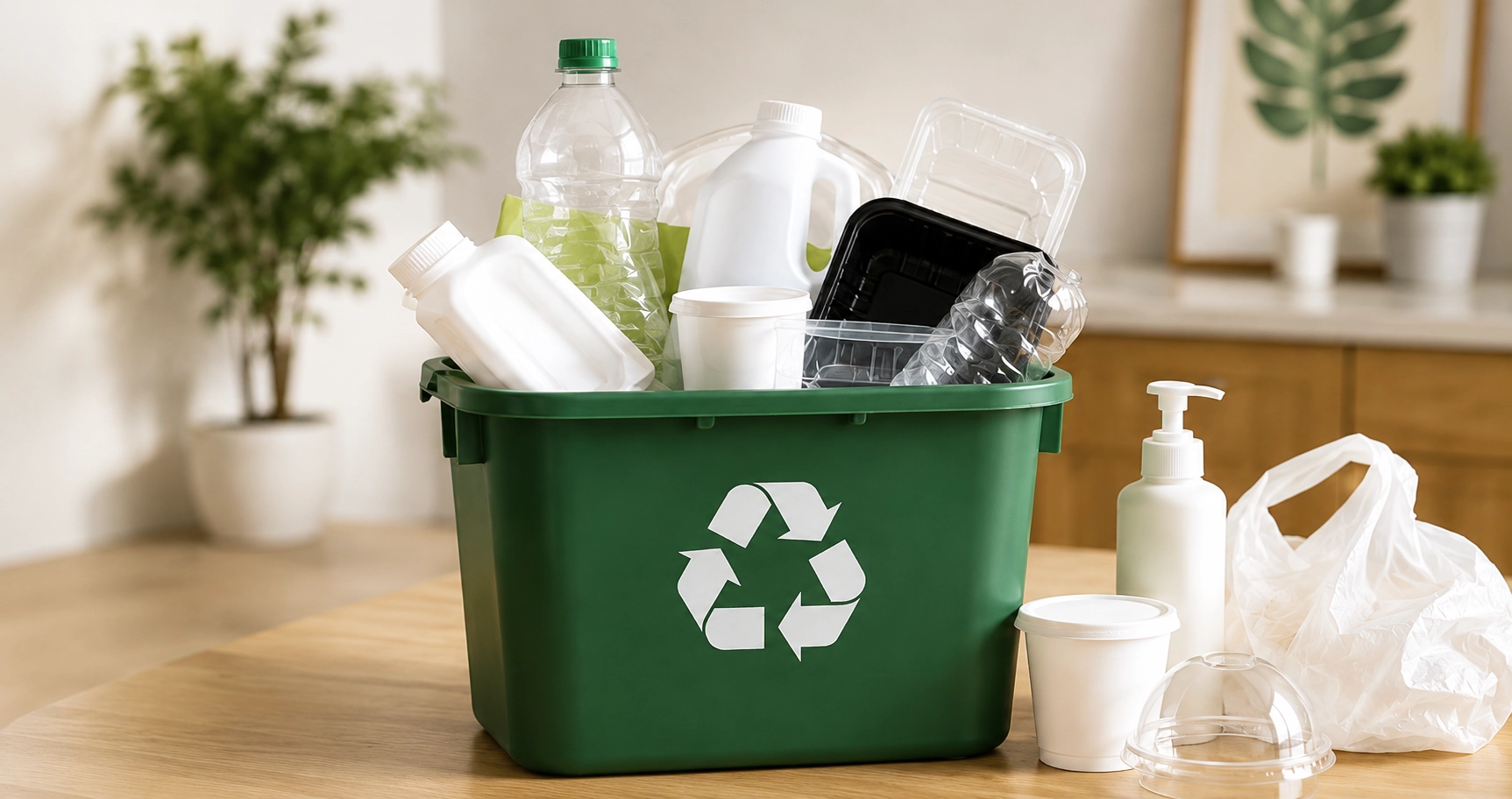
Household packaging, single-use plastics, and consumer products entering the waste 1stream.
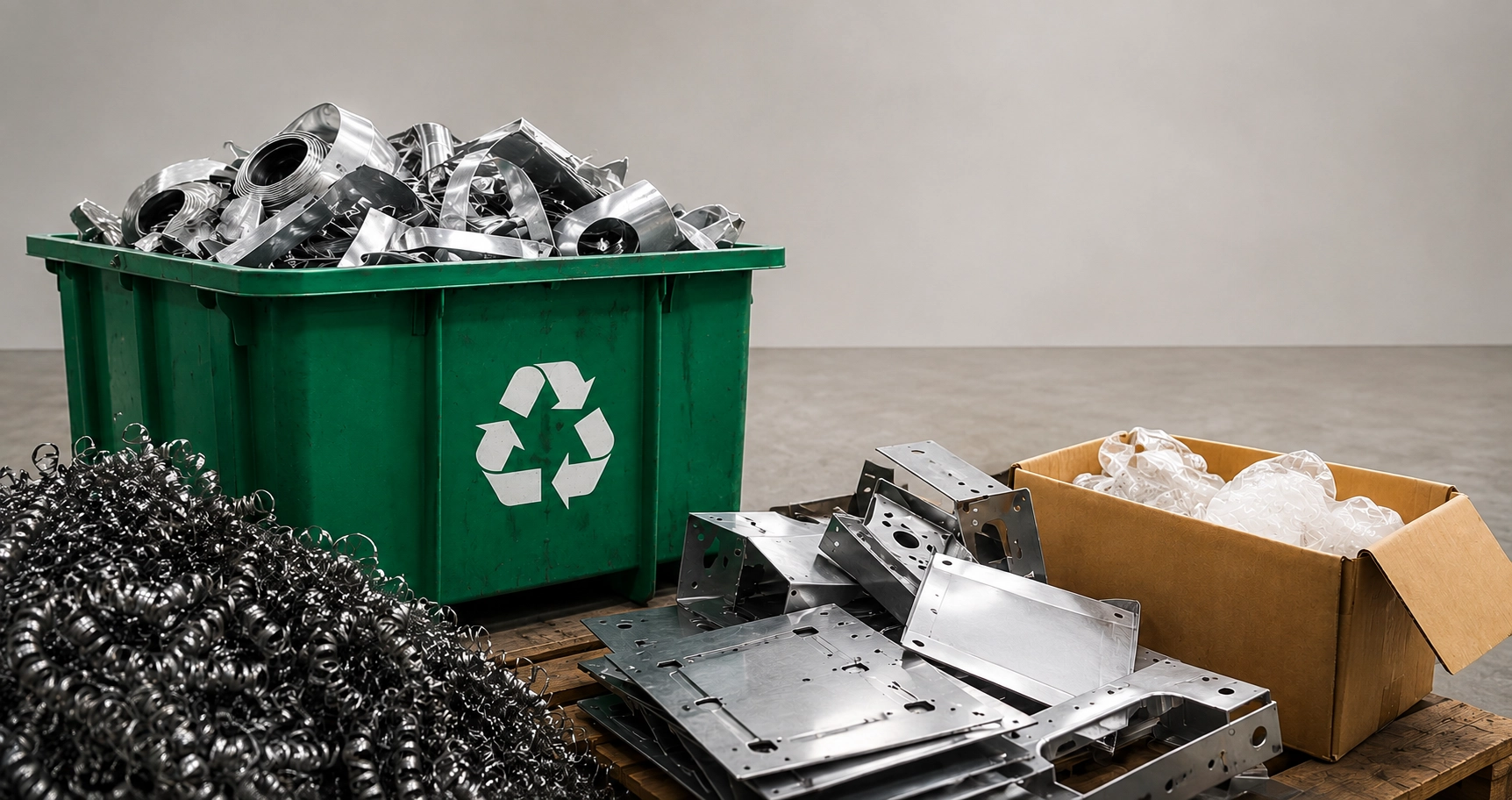
Manufacturing scrap, production rejects, and supply chain waste from industrial operations.
Retail distribution networks, hospitality, and large-scale consumption channels.
Mismanaged urban waste and marine and coastal plastic pollution requiring special recovery.
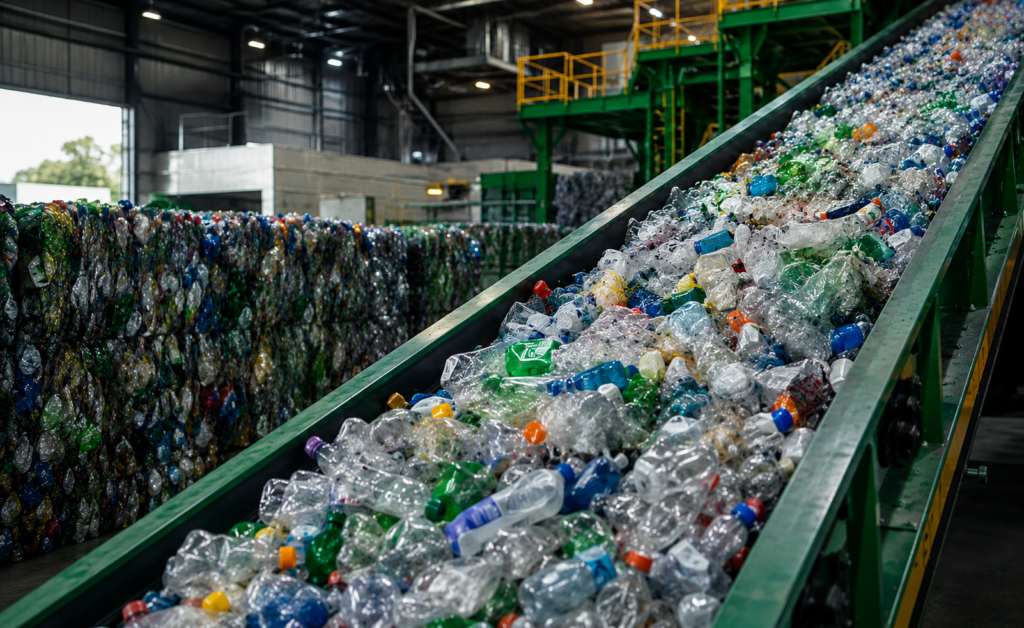
At a high level, plastic recycling involves five interconnected stages — from collection to reintegration into new products.
Recycling enables plastics to remain within the economy rather than exiting it — creating value across environmental, resource, and economic dimensions.
Reduces landfill accumulation and prevents plastic pollution from entering natural ecosystems — land, water, and marine environments.
Lowers dependence on virgin raw materials and extends the lifecycle of existing materials — keeping polymers in circulation longer.
Processing recycled plastics requires significantly less energy compared to manufacturing new plastics from petrochemical feedstocks.
Converts what would otherwise be waste into usable industrial inputs — creating material streams with real commodity value.
At Blackgold, plastics are viewed as valuable, recoverable assets within a broader circular system. As part of its ongoing work in circular economy solutions, Blackgold continues to expand its focus on plastic recycling — aligned with the growing need for structured, large-scale material recovery.
The future of plastics lies in transitioning from a linear model to a fully circular
one — requiring collective action across industries.
01
Post-industrial scrap tends to be cleaner and more consistent in composition, coming straight from manufacturing rejects and production waste, while post-consumer plastic requires more intensive sorting and cleaning due to contamination. Businesses generating either stream benefit from recovery partners equipped to handle both categories properly.
02
BlackGold's plastics recovery is centered on PET processing converting both post-industrial and post-consumer PET into recycled PET (rPET) for reuse in manufacturing, aligned with growing industrial demand for recycled polymer input.
03
With seven or more major polymer types, each requiring a different recycling process, mixed or unsorted plastic waste is far harder to recover efficiently. Companies generating multiple plastic types benefit from working with a partner that can manage that classification complexity rather than treating all plastic as one stream.
04
Extended Producer Responsibility frameworks hold companies accountable for the plastic they introduce into the market, which makes documented, traceable recovery essential. Partnering with a structured recycling system gives businesses the audit trail needed to demonstrate compliance rather than relying on informal disposal.
05
Processing recycled plastic typically consumes significantly less energy than manufacturing new plastic from petrochemical feedstocks. For businesses managing both cost and sustainability targets, that translates into lower input costs alongside a smaller environmental footprint on the manufacturing side.
06
Keeping plastic in circulation rather than sending it to landfill or incineration reduces environmental leakage and lowers dependence on virgin raw materials, both of which are trackable sustainability metrics. For corporate sustainability teams, structured plastic recovery is a concrete input into ESG progress rather than an abstract commitment.
07
Without clear tracking from collection through reintegration, it's difficult for a business to substantiate what actually happened to its plastic waste. Working within a system-level recovery model, where collection, sorting, and processing are documented end-to-end, gives companies verifiable grounds for their recovery and circularity claims.